

MONTEREY, Calif. — Eighteen races. Three different types of circuits. Twenty-six championship-eligible drivers. And a season that produced one of the most dominant championship performances in recent INDYCAR history.
The 2026 NTT INDYCAR SERIES season began on the streets of St. Petersburg and ended beneath the hills of WeatherTech Raceway Laguna Seca.
Between those two bookends came an Indianapolis 500 decided by 0.0233 seconds, breakthrough victories, championship challenges, veterans fighting back, young drivers establishing themselves and a late-season surge from Scott McLaughlin.
At the center of it all was Alex Palou.
But the 2026 season was much bigger than one driver.
It was a season defined by a group of drivers who repeatedly separated themselves from the field — Palou, Kyle Kirkwood, Christian Lundgaard, Pato O’Ward, David Malukas, Josef Newgarden, Marcus Ericsson, Felix Rosenqvist and Scott McLaughlin among them.
And when the final checkered flag fell at Laguna Seca, Palou had the championship.
The others had their own stories to tell.
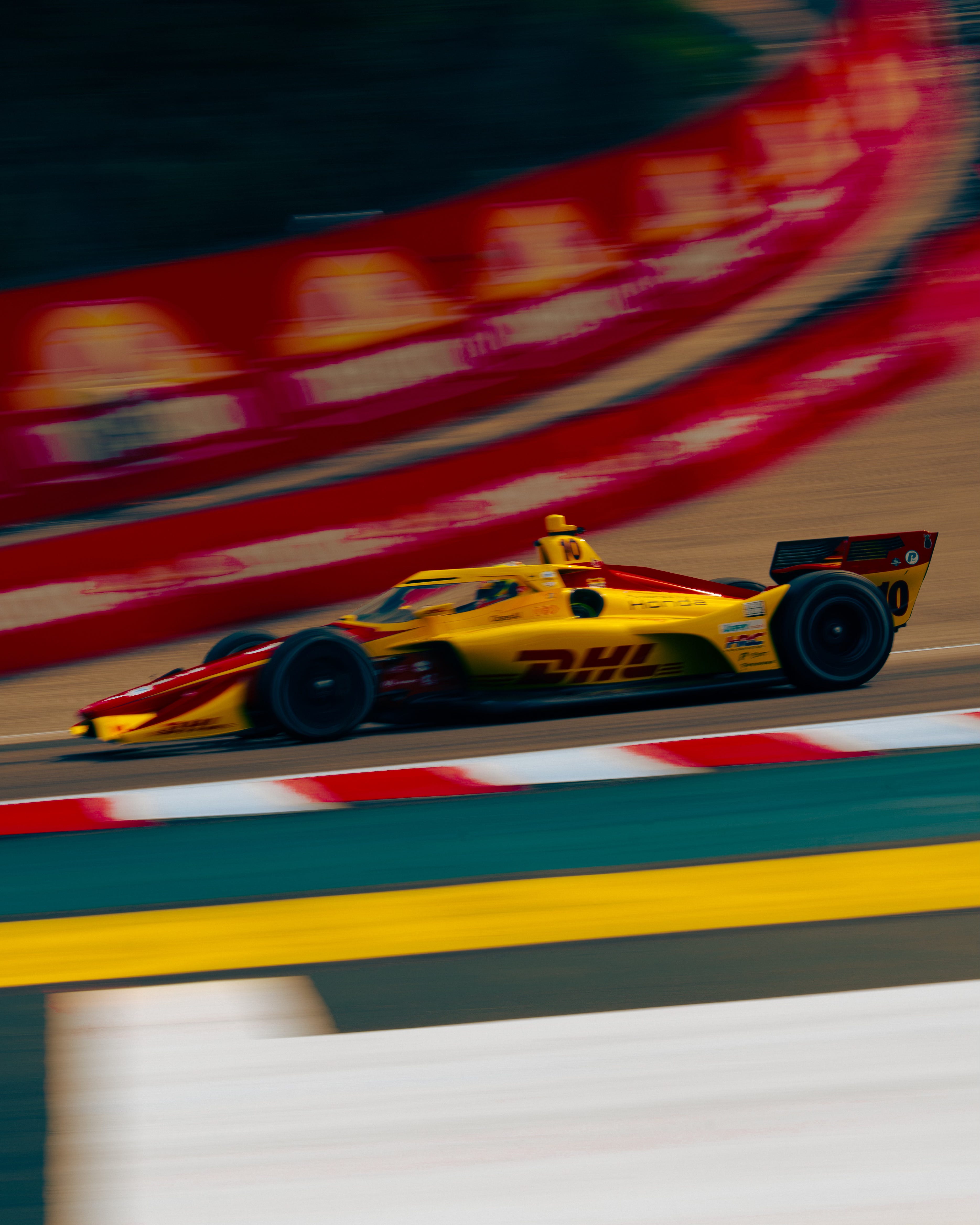
Alex Palou: The standard everyone was chasing
There was no question who stood at the top when the season ended.
Alex Palou and Chip Ganassi Racing produced another extraordinary championship campaign.
Palou won six races, eight poles, 12 top-five finishes and 15 top-10s, led 673 laps and finished the season with 631 points.
His championship margin was 86 points over Kyle Kirkwood.
More importantly, it was Palou’s fifth INDYCAR SERIES championship and fourth consecutive title, putting him alongside Sébastien Bourdais as the only drivers in series history to win four championships in a row.
Only A.J. Foyt and Scott Dixon have more championships overall.
Palou did not need to win the finale.
The championship had already been secured.
But his presence throughout the season had already established the benchmark everyone else was trying to reach.
From St. Petersburg to Barber, Long Beach, Detroit, Nashville and Portland, Palou repeatedly showed the combination that has become his trademark: speed without unnecessary mistakes and an ability to extract maximum points from almost every weekend.
By the time the championship arrived in Monterey, the question was no longer whether Palou could win the title.
It was whether anyone could stop him from building one of the greatest modern INDYCAR résumés.
Kyle Kirkwood: The closest challenger
If Palou was the class of the field, Kyle Kirkwood was the driver who came closest to disrupting his reign.
Kirkwood finished second in the championship with 545 points, collecting two victories, one pole, 10 top-five finishes and 15 top-10s.
He also won the inaugural race on the streets of Washington, D.C., adding another major victory to a season that established him as Andretti Global’s leading championship threat.
Kirkwood’s progression was one of the defining stories of the season.
INDYCAR had already identified him as a rising star, but 2026 was the year he began looking like a legitimate championship contender.
His greatest strength remained street courses, where he had already built a reputation as one of the series’ strongest performers.
But the biggest question was whether he could match Palou’s consistency across the entire calendar.
He came close.
Not close enough for the championship — but close enough to make it clear that the future of INDYCAR could include a serious Palou-Kirkwood rivalry.
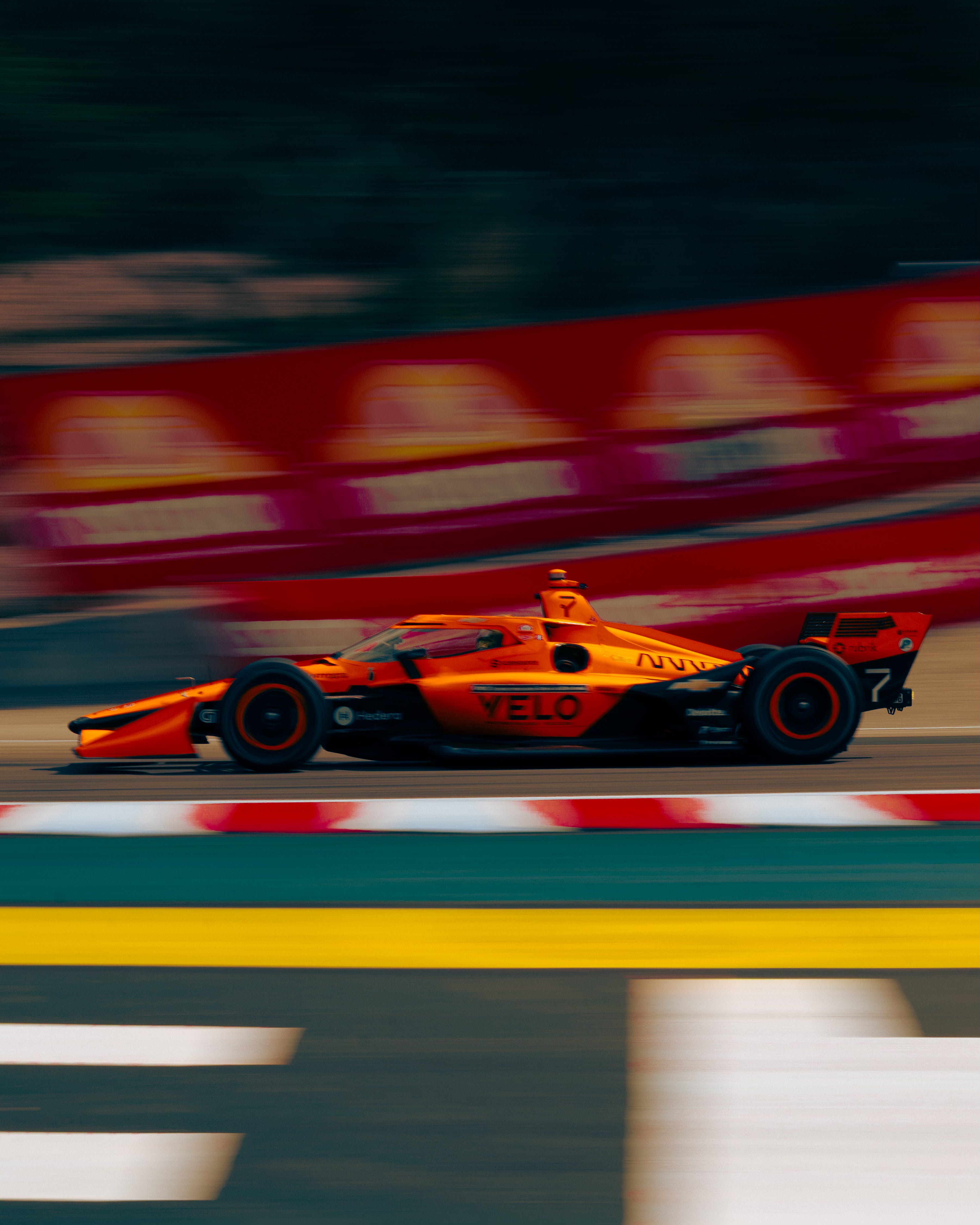
Christian Lundgaard: The breakthrough at Arrow McLaren
Christian Lundgaard entered 2026 with something to prove.
By the end of the season, he had done it.
The Danish driver finished third in the championship with 535 points, his best career championship result.
He won twice, took one pole, collected eight top-five finishes and finished inside the top 10 in 14 of the 18 races.
His season was particularly impressive because of its consistency.
Lundgaard became one of the most reliable drivers in the field during the second half of the year, finishing sixth at Laguna Seca to close the season with his sixth consecutive top-10 finish.
He also finished in the top 10 in 10 of the final 11 races.
At Arrow McLaren, the balance of power also began to shift.
Pato O’Ward remained one of the fastest and most recognizable drivers in the series.
But Lundgaard increasingly looked like the team’s most consistent championship performer.
Pato O’Ward: Speed, victories and another Indy 500 near-miss
Pato O’Ward finished fourth in the championship, but his season was far from ordinary.
He scored three victories, more than any driver other than Palou, and finished with 522 points.
And then there was Indianapolis.
O’Ward produced one of the strongest runs of his career at the 110th Indianapolis 500, finishing fourth after executing an aggressive fuel strategy in a backup car.
The race itself became one of the defining moments of the season.
Felix Rosenqvist won after making a last-lap pass on David Malukas, with O’Ward just behind the fight for victory.
O’Ward’s fourth-place finish was another reminder that the Mexican driver remains one of INDYCAR’s most dangerous competitors on any given weekend.
His three wins also made Arrow McLaren one of the season’s strongest organizations.
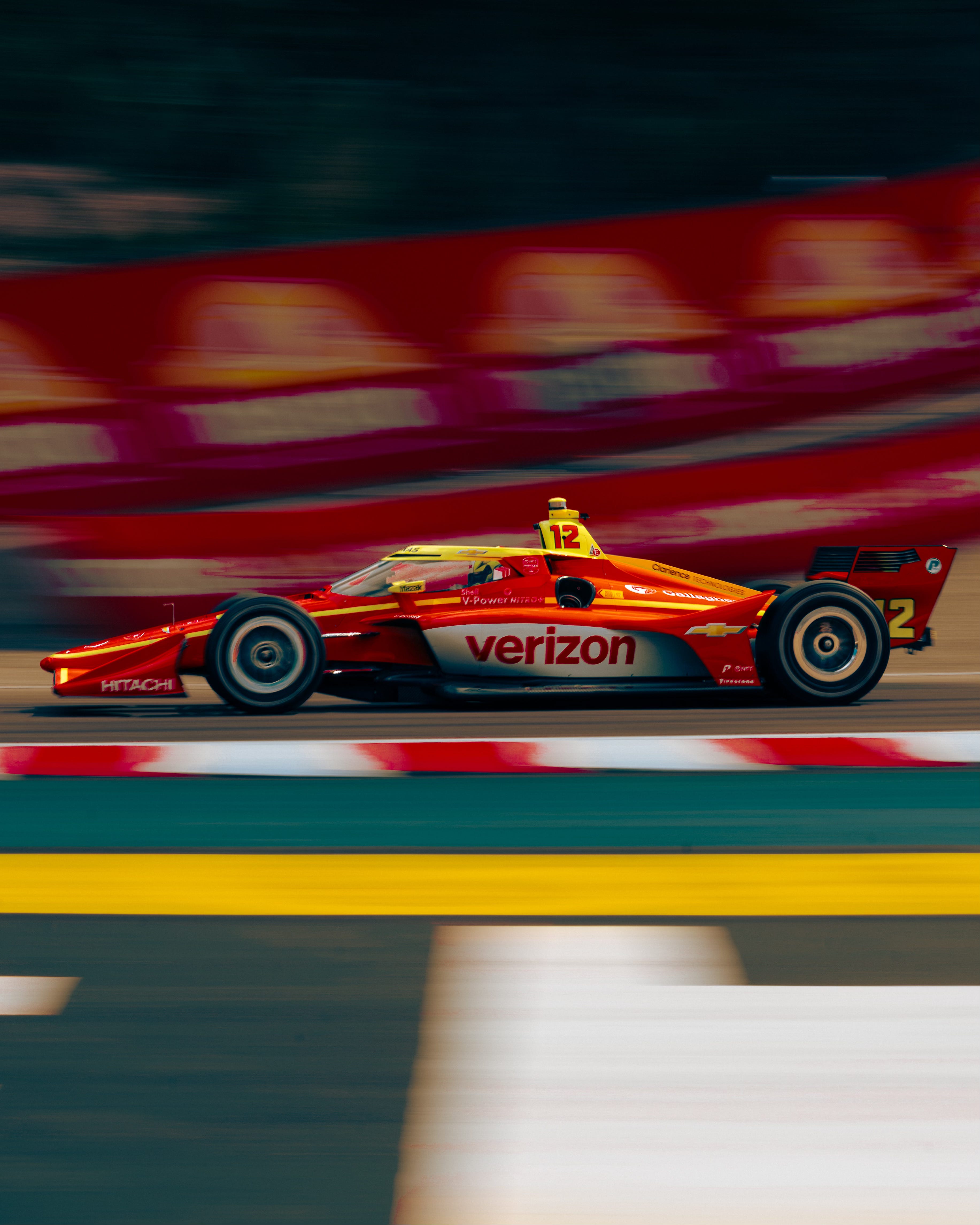
David Malukas: The driver who came painfully close
David Malukas’ 2026 season could be described in one word:
frustrating.
Not because he was slow.
Because he was so close.
Malukas finished fifth in the championship with 514 points, nine top-five finishes and 13 top-10s.
But he never reached victory lane.
His biggest opportunity came at Indianapolis.
Starting near the front and fighting for the win, Malukas came within inches of winning the world’s most famous race.
Instead, he finished second.
For the second consecutive year, he had to watch someone else celebrate the Indianapolis 500 victory.
Yet his consistency throughout the season made him one of the strongest drivers in the field.
At Team Penske, Malukas emerged as one of the organization’s most dependable performers.
The victory never came.
But the speed was unmistakable.
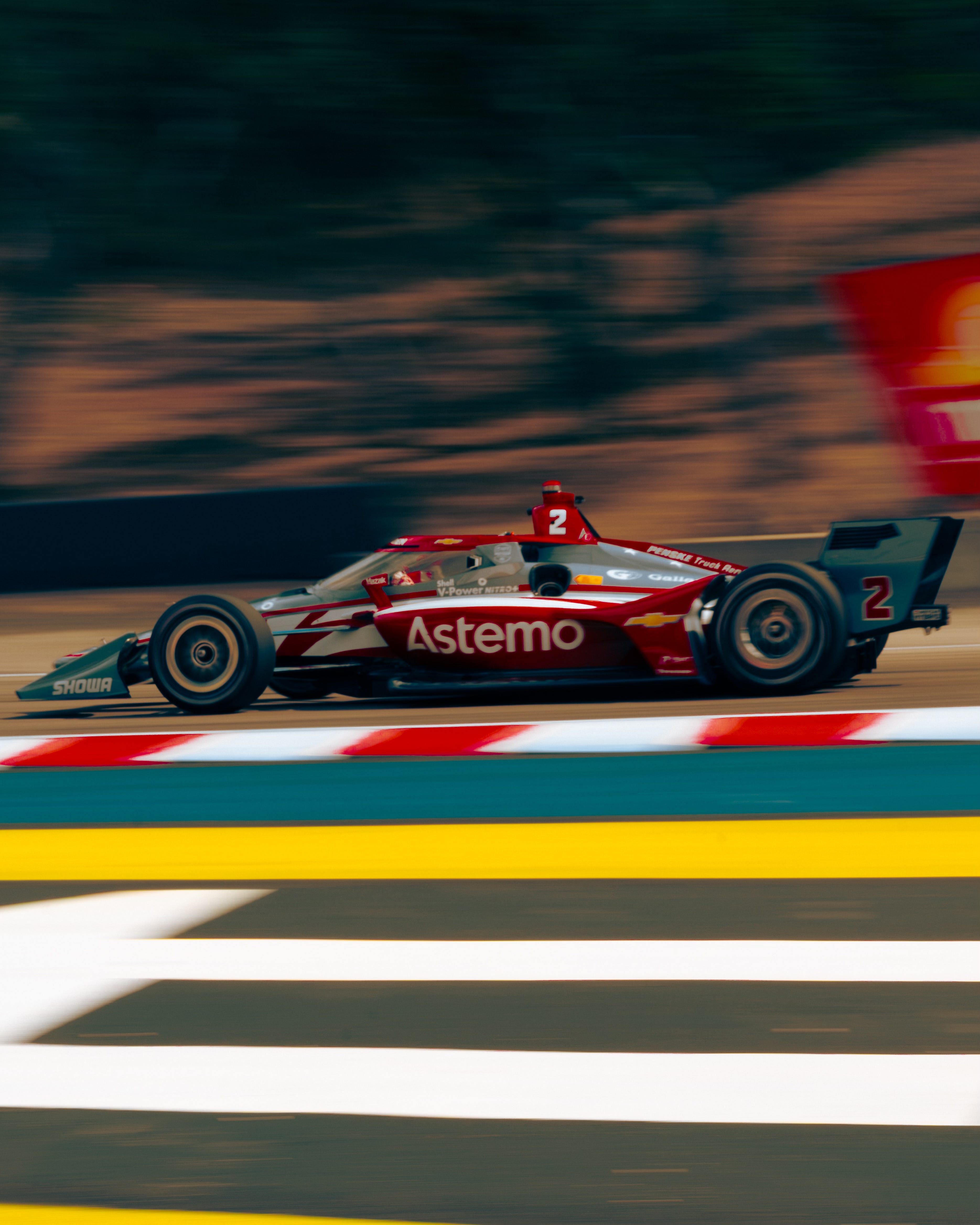
Josef Newgarden: The oval specialist
Josef Newgarden’s 2026 season was another reminder that INDYCAR requires completely different skills depending on the circuit.
The two-time Indianapolis 500 winner remained one of the strongest oval racers in the championship.
He won twice and finished sixth in the final standings with 423 points.
Newgarden’s strength on ovals was particularly notable.
Since the beginning of the 2021 season, he had won 13 of 30 oval races entering the second half of 2026 — an extraordinary strike rate that separated him from the rest of the field.
While Palou became the benchmark on road and street courses, Newgarden continued to represent something different:
Pure oval excellence.
Marcus Ericsson: A strong second half
Marcus Ericsson quietly put together one of the more impressive seasons in the field.
The Swedish driver won at Markham, helping Andretti Global claim victory in the inaugural Canadian INDYCAR event.
He finished seventh in the championship with 429 points.
But his strongest stretch came late in the year.
Ericsson finished the season with seven consecutive top-10 finishes, demonstrating remarkable consistency during the final third of the championship.
His season was less spectacular than Palou’s or O’Ward’s.
But it was one of the most complete campaigns in the field.
Felix Rosenqvist: The man who owned Indianapolis
Some drivers define a season with a championship.
Others define it with one race.
For Felix Rosenqvist, that race was Indianapolis.
Rosenqvist delivered one of the greatest finishes in Indianapolis 500 history, passing David Malukas on the final lap to win by just 0.0233 seconds.
The margin was the closest finish in Indianapolis 500 history.
The victory also made Rosenqvist only the third Swedish driver to win the race.
He finished ninth in the championship, but his Indianapolis victory will arguably remain his defining image from 2026.
Scott McLaughlin: The season-ending surge
Scott McLaughlin saved one of his best stretches for last.
The Team Penske driver entered the final races outside the championship’s top five, but a late-season surge changed the picture.
Then came Laguna Seca.
McLaughlin qualified on pole and controlled the season finale, leading 87 of the race’s 95 laps.
He won the Mission Foods Grand Prix of Monterey — ending a 36-race winless streak — while Kyle Kirkwood finished second.
It was an appropriate final chapter for a driver who had spent much of the year searching for that breakthrough.
The championship belonged to Palou.
The final race belonged to McLaughlin.
Will Power, Scott Dixon and the veterans
The 2026 season also showed how difficult it is for even established champions to remain at the very top of INDYCAR.
Will Power finished 10th in the championship.
Scott Dixon, one of the most successful drivers in INDYCAR history, finished 12th.
Neither driver disappeared from the competitive picture.
But the younger generation increasingly occupied the front of the standings.
Kirkwood.
Lundgaard.
Malukas.
Palou.
The changing of the guard that INDYCAR identified early in the season became one of its defining themes.
The rest of the field
Behind the headline names, the season featured a wide range of performances.
Rinus VeeKay finished 10th.
Kyffin Simpson was 13th.
Graham Rahal finished 14th.
Marcus Armstrong was 15th.
Alexander Rossi finished 16th.
Santino Ferrucci was 17th.
Romain Grosjean finished 18th.
Nolan Siegel was 19th.
Louis Foster finished 20th.
Dennis Hauger finished 21st and was named 2026 NTT INDYCAR SERIES Rookie of the Year.
Christian Rasmussen finished 22nd, tied with Caio Collet on points.
Mick Schumacher finished 24th, followed by Sting Ray Robb.
Conor Daly made one championship start.
Every driver contributed a different chapter to the season, whether through victories, qualifying performances, championship points, dramatic recoveries or simply the challenge of surviving 18 races at some of the most demanding circuits in North America.
The races that defined 2026
The championship was shaped by 18 races across the United States and Canada.
St. Petersburg — Alex Palou
Palou opened the championship with a victory.
Phoenix — Josef Newgarden
The oval specialist reminded everyone why Team Penske remains a force on short ovals.
Arlington — Kyle Kirkwood
A new street race produced a new winner.
Barber — Alex Palou
Another road-course victory strengthened Palou’s championship credentials.
Long Beach — Alex Palou
The championship leader continued his early-season control.
Indianapolis 500 — Felix Rosenqvist
The closest finish in Indy 500 history.
IMS Road Course — Christian Lundgaard
Another major victory for the Arrow McLaren driver.
Detroit — Alex Palou
Another street-course victory for the eventual champion.
St. Louis — Josef Newgarden
Newgarden added another win to his oval résumé.
Road America — Christian Lundgaard
Lundgaard continued establishing himself as a championship-level driver.
Mid-Ohio — Pato O’Ward
Another victory for Arrow McLaren.
Nashville — Alex Palou
Palou continued his march toward the title.
Portland — Alex Palou
A dominant performance brought him even closer to the championship.
Markham — Marcus Ericsson
Ericsson won the inaugural event.
Washington, D.C. — Kyle Kirkwood
Kirkwood added another major street-course victory.
Milwaukee — Pato O’Ward
O’Ward swept the Milwaukee weekend, winning both races.
Laguna Seca — Scott McLaughlin
The season ended with McLaughlin back in victory lane.
Laguna Seca: The final picture
And then there was Monterey.
The Corkscrew.
The hills.
The sound of INDYCAR engines echoing through the valley.
The final race of 2026 produced a fitting contrast.
McLaughlin was fighting for a victory.
Kirkwood was fighting for second.
The rest of the field was fighting for the final positions of the season.
Palou was simply celebrating a championship that had already been secured.
The Spaniard started on the front row but finished eighth after his team went off strategy with no championship points left to chase.
The result hardly mattered.
The trophy was already his.
A season with a changing face
The 2026 season offered a glimpse into where INDYCAR may be heading.
Palou remains the benchmark.
But behind him, a new generation is becoming increasingly difficult to ignore.
Kirkwood finished second.
Lundgaard finished third.
O’Ward remained one of the series’ most dangerous winners.
Malukas continued to show front-running pace.
And drivers such as McLaughlin, Ericsson and Rosenqvist delivered some of the season’s most memorable victories.
At the same time, Newgarden, Dixon and Power demonstrated that experience still matters — particularly when the championship turns toward specific disciplines such as oval racing.
That combination made 2026 compelling.
The established stars were still there.
The next generation was catching them.
And at the very front was a driver who seemed to have mastered nearly everything the series could put in front of him.
Five championships. Eighteen races. One champion.
When the season began in St. Petersburg, the question was whether anyone could challenge Alex Palou.
By the time the series reached Laguna Seca, the question had changed.
How long can this run continue?
Palou finished the year with six wins, eight poles, 15 top-10 finishes and another championship.
Kirkwood finished second.
Lundgaard third.
O’Ward fourth.
Malukas fifth.
And behind them was a field filled with drivers who each left their own mark on the 2026 season.
Then McLaughlin took the final checkered flag.
The engines went quiet.
The paddock began packing for the offseason.
And the Astor Challenge Cup went home with the same driver who had spent the entire season setting the standard.
Alex Palou had done it again.
But the story of the 2026 INDYCAR SERIES was never only about one driver.
It was about a field that kept pushing him.
A championship that produced surprises at every type of circuit.
An Indianapolis 500 decided by inches.
And a final weekend at Laguna Seca that provided the perfect backdrop for the end of another extraordinary season.


Photography & Story: Anouar M. / The Production Nomad
Independent Sports & Visual Media
San Francisco, California
All photographs © The Production Nomad.