

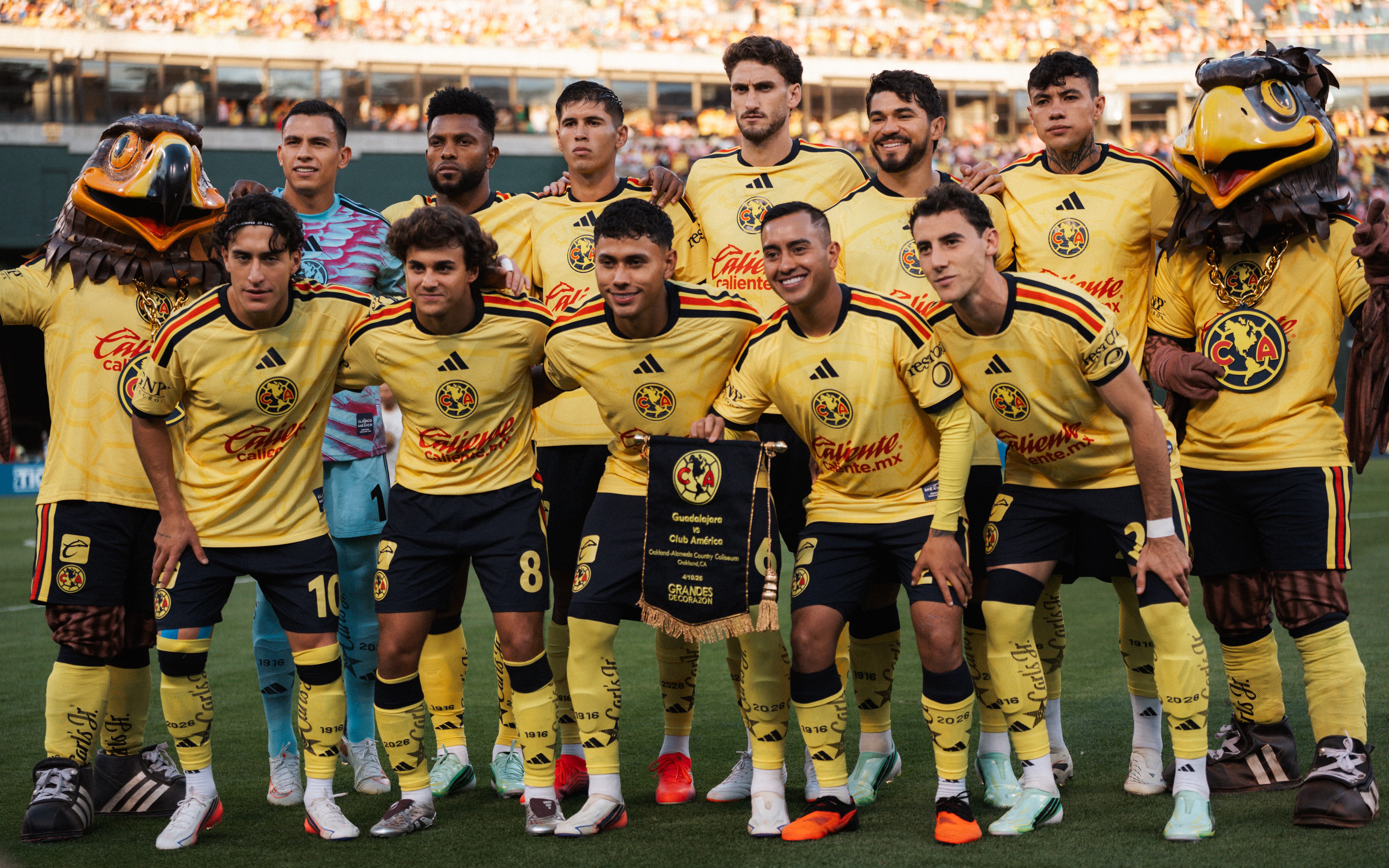
More than 45,000 fans filled the Oakland Coliseum as Chivas de Guadalajara defeated Club América 2–0, turning a sold-out Sunday into a celebration of Mexican football, rivalry, and community in the Bay Area.
OAKLAND, CALIFORNIA — October 4, 2026
The colors were unmistakable. Red and white on one side, yellow and blue on the other. Flags waved above the crowd, supporters arrived wearing their club jerseys, and the anticipation surrounding one of Mexican football’s most recognizable rivalries filled the Oakland Coliseum.
On Sunday, October 4, Chivas de Guadalajara and Club América brought El Clásico de México to Oakland for a highly anticipated encounter that brought together thousands of supporters from across the Bay Area and beyond. More than 60,000 fans filled the stadium for a sold-out event that extended far beyond the 90 minutes played on the pitch.
For the Mexican football community in Northern California, it was an opportunity to experience a rivalry that has defined generations of supporters. For Oakland, it was a major sporting occasion that placed the city at the center of the Mexican football conversation for a day.
And for those inside the Coliseum, the match delivered a familiar reminder of why this fixture means so much: when Chivas and América meet, the stakes are never measured by the scoreline alone.
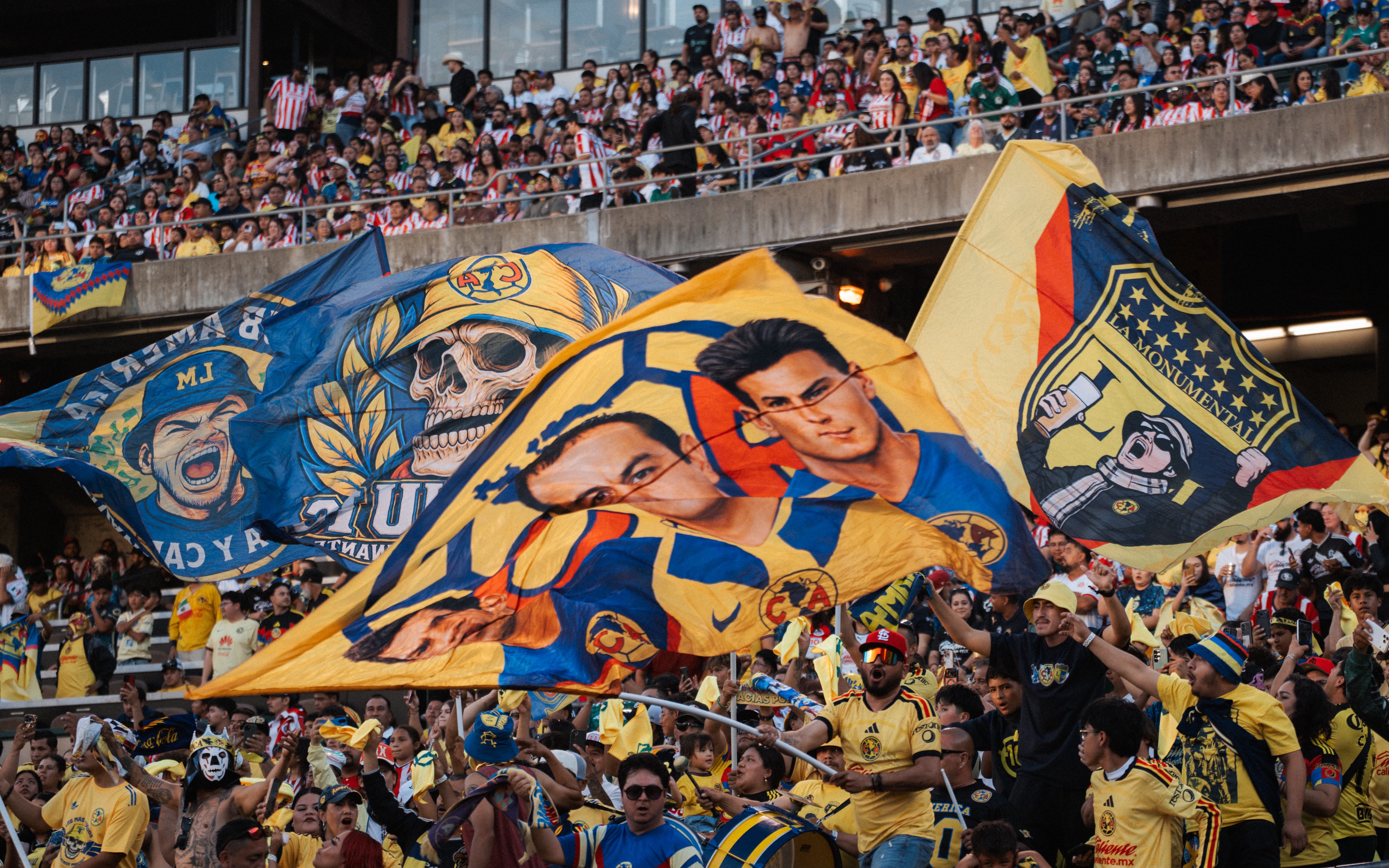
A Rivalry That Travels Beyond Mexico
Few fixtures in Mexican football carry the cultural weight of Chivas de Guadalajara against Club América. Known as El Clásico de México, the matchup brings together two of the country’s most followed clubs, each with its own identity, traditions, and passionate supporter base.
Chivas, officially Club Deportivo Guadalajara, is famously associated with its policy of fielding Mexican players. Club América, meanwhile, has built its own legacy as one of the most successful and recognizable institutions in Mexican football.
The contrast between the clubs has helped sustain a rivalry that reaches beyond the stadium. For supporters, allegiance often runs through families and generations, becoming part of their identity long before they enter the stands.
That connection does not disappear when the teams leave Mexico. Across the United States, Mexican football has a substantial following, and matches involving these two clubs offer supporters the chance to see their teams in person without traveling across the border.
Oakland provided the setting for the latest chapter.
The match was part of Tour Rebaño 2026, bringing the two rivals to Northern California for a friendly encounter during the international break. Although it was not a Liga MX league fixture, the occasion carried the atmosphere and anticipation associated with one of Mexican football’s marquee matchups.
With tickets selling out in less than a week, the response demonstrated the demand for major Mexican football events in the Bay Area.
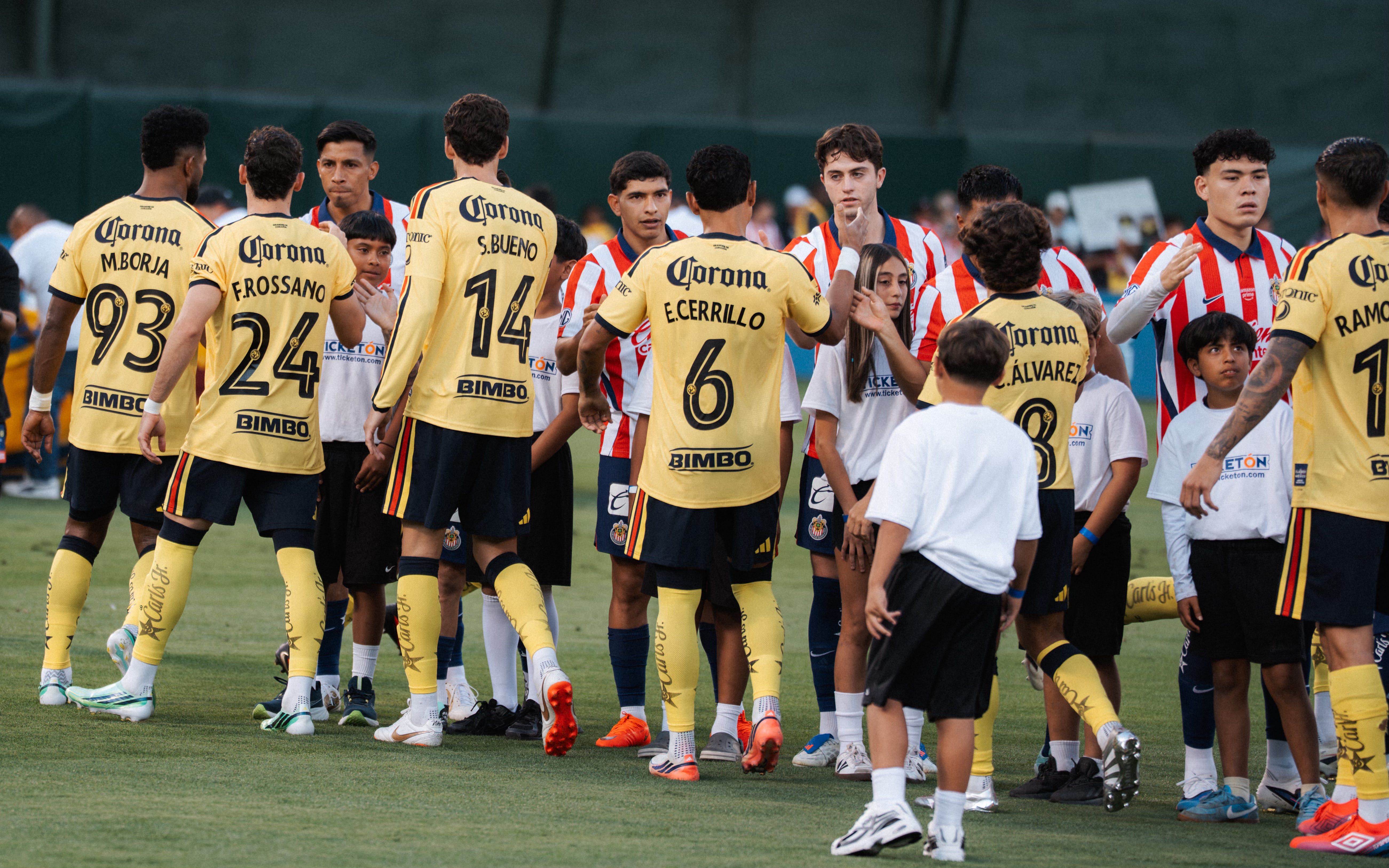
Oakland Turns Out for the Clásico
Long before kickoff, the occasion was about more than the teams themselves. Supporters came together to celebrate their clubs, reconnect with fellow fans, and enjoy an event built around the culture surrounding Mexican football.
The pregame festivities included Fiesta Futbolera, a fan celebration featuring music, food, and activities ahead of the match. The event added a community dimension to the occasion, extending the experience beyond the stadium and creating a day centered on football and Mexican culture.
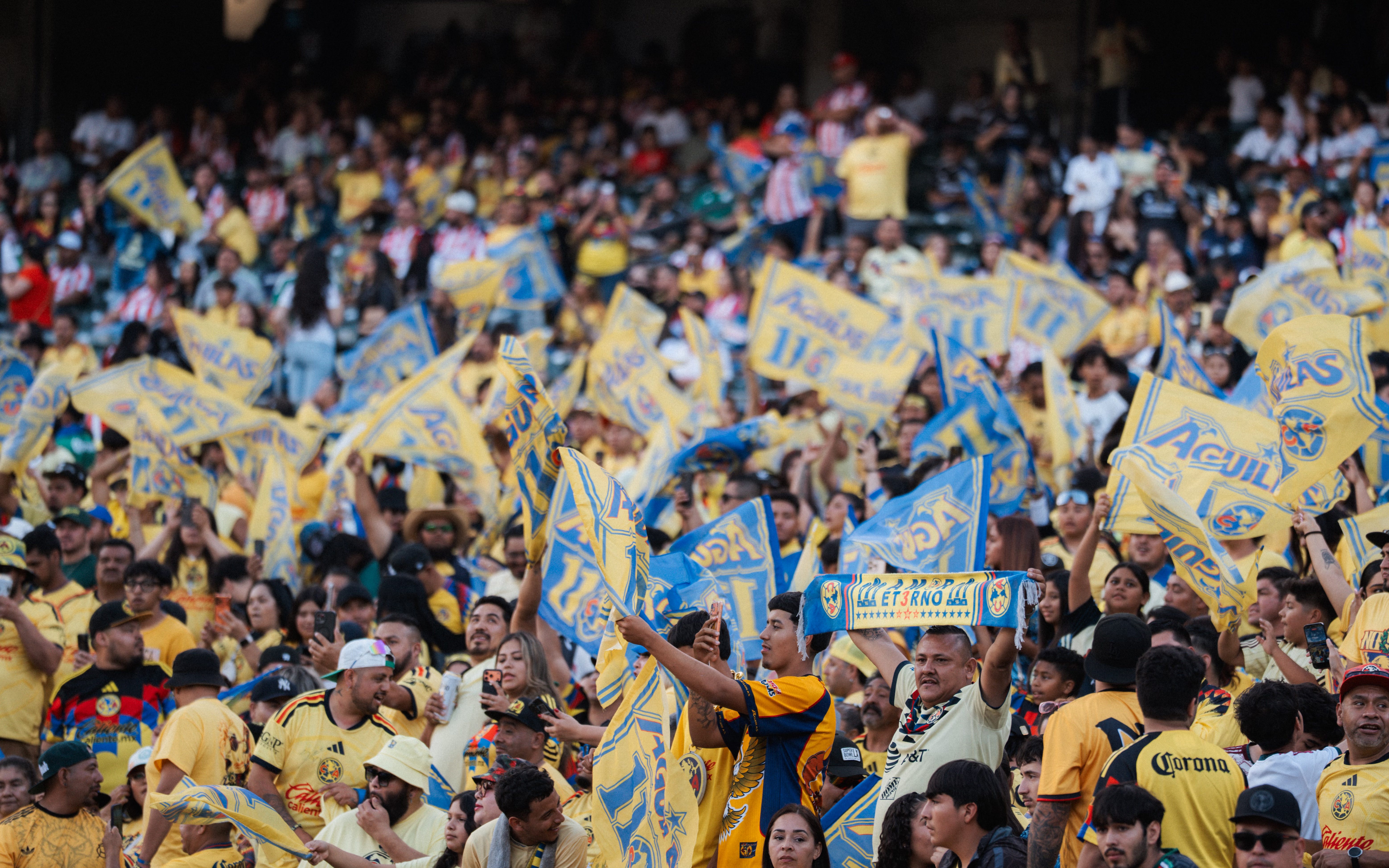
For many supporters, wearing a jersey was a declaration of loyalty. For others, the match offered an opportunity to share a familiar tradition with family and friends. Across generations, club colors served as a common language between people whose connection to the teams could stretch back decades.
That was part of what made the event significant. The supporters in attendance were not simply spectators at a friendly match. They were participants in a sporting tradition that has traveled with Mexican communities across borders.
The Coliseum became a meeting point for those connections, bringing together different generations of fans under one roof.
A sold-out stadium of this scale also offered a reminder of the Bay Area’s place within the broader North American football landscape. Oakland’s proximity to communities across the East Bay, San Francisco, San Jose, and the Central Valley made it a natural destination for a fixture of this magnitude.
For one Sunday, the attention of thousands of supporters converged on Oakland.
When the Whistle Blew, the Rivalry Took Over
Once the match began, the attention shifted to the pitch.
Despite the friendly designation, Chivas and América were meeting in a rivalry where pride remained central to the occasion. Both clubs arrived with something to prove to their supporters, and the encounter offered another opportunity to measure themselves against a familiar opponent.
Chivas made the most of its opportunities early in the match.
In the 13th minute, Ángel Sepúlveda stepped up to take a penalty after a handball by América’s Alejandro Zendejas inside the box. Sepúlveda converted from the spot, giving Guadalajara the opening goal and sending the Chivas supporters into celebration.
Ten minutes later, the forward struck again.
Following a quick passing sequence on the right, Rubén González delivered the ball into the attacking area, where Sepúlveda connected with a header and beat América goalkeeper Luis Ángel Malagón. The second goal put Chivas in control and gave the Guadalajara side a two-goal advantage before the first half had reached its midpoint.
Sepúlveda’s brace proved decisive.
América had to find a way back into the match, while Chivas looked to maintain its organization and capitalize on the space available. Guadalajara continued to create opportunities, including a dangerous effort in the second half that nearly extended the lead.
Despite the attempts to change the course of the contest, América could not find a response on the scoreboard.
When the final whistle arrived, Chivas had secured a 2–0 victory, adding another result to the history of its rivalry with the Águilas.
For the Guadalajara supporters filling the Coliseum, the result made an already memorable occasion even sweeter. For América fans, it was a disappointing conclusion to a day that had begun with anticipation and the hope of seeing their club prevail.
But that is the nature of a Clásico: one side leaves celebrating, while the other is left waiting for the next opportunity to respond.
More Than a Result for Chivas
While Sepúlveda’s two goals dominated the result, the Oakland encounter also provided an opportunity for younger Guadalajara players to experience first-team football.
Several young players from Chivas’ academy made their senior-team debuts during the match, adding another dimension to the occasion for the club.
For a player making that first appearance, the significance extends beyond the minutes played. It marks a transition from developing within the academy to competing at the senior level, with the expectations and intensity that come with representing a major club.
Doing so in front of a large crowd, against a historic rival, offered an especially memorable setting.
Chivas’ victory also came just weeks after the teams had drawn 2–2 in their Liga MX Apertura 2026 meeting. The Oakland friendly therefore provided Guadalajara with another opportunity to claim bragging rights against América, this time in front of a substantial audience of supporters in California.
The result gave the Rojiblancos plenty to celebrate, while the match itself offered valuable minutes and experience ahead of the return to domestic competition.
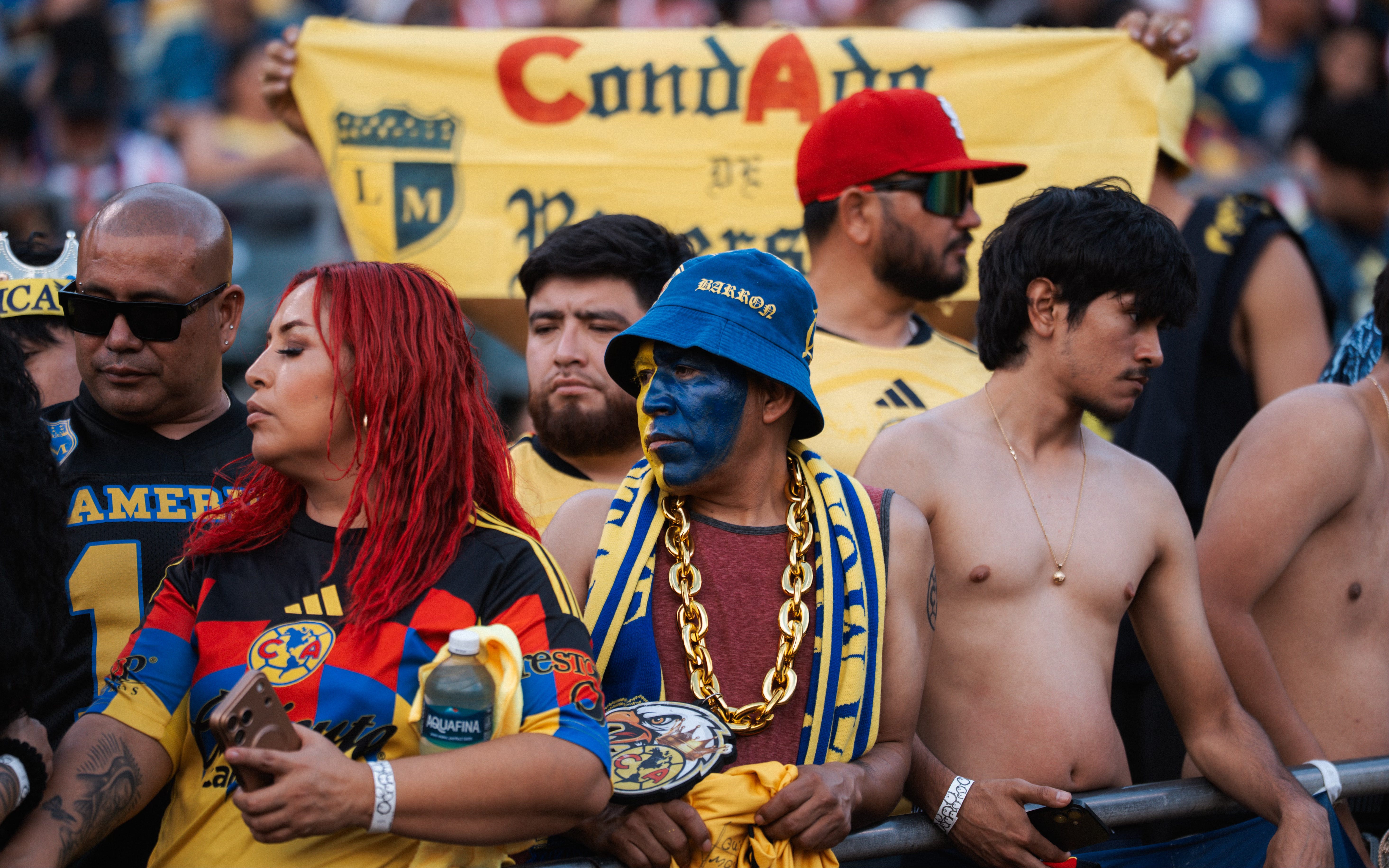
Photographing the Energy of the Game
For a sporting event of this scale, the story does not exist only in the goals or the final score. It unfolds in the moments between them: the anticipation before kickoff, the reactions in the stands, the intensity of the players, and the celebrations that follow a decisive moment.
As a credentialed photographer covering the match for The Production Nomad Media, the aim was to document the encounter as both a sporting contest and a major gathering of football supporters in Oakland.
Sports photography is often associated with the decisive action — a goal, a tackle, a save, or a celebration. Those moments are essential, but they represent only part of what makes an event worth documenting.
A match like El Clásico de México also offers a wider visual story. The players carry the history of their clubs onto the field, while the supporters bring their own memories, loyalties, and expectations into the stadium.
The contrast between the two teams’ colors, the movement of the players, and the emotional reactions that follow important moments all contribute to the visual identity of the match.
Beyond the pitch, the scale of the crowd helps explain why these fixtures matter. A sold-out stadium filled with supporters from different backgrounds reflects the reach of Mexican football and the strength of the communities that follow it.
Documenting these details is part of the work of independent sports media: preserving not only what happened, but also the atmosphere surrounding it.
Through the lens, the objective is to create a record that allows those who attended to revisit the occasion and those who could not be there to experience a sense of its scale and energy.
For The Production Nomad Media, covering Clásico de México in Oakland was an opportunity to document a major international football occasion on home ground in the Bay Area.
A Bay Area Crowd, a Mexican Football Tradition
The significance of the event extended beyond the supporters of either club.
Major football matches often serve as cultural gatherings, particularly for communities whose connection to a team is tied to family history, national identity, and memories of watching the game growing up.
For Mexican football supporters living in Northern California, an encounter between Chivas and América offers an opportunity to celebrate a familiar sporting tradition close to home.
The rivalry brings together people who may disagree passionately about their preferred team but share an appreciation for the competition itself. The colors may differ, and the chants may compete, but the passion comes from the same place.
That shared connection was central to the atmosphere surrounding the Oakland match.
Bringing an event of this size to the Coliseum also highlighted the Bay Area’s ability to host major football occasions and attract supporters from across the region. The turnout reflected the demand for opportunities to experience leading Mexican clubs in person.
For Oakland, the event placed the city within a wider sporting conversation that increasingly connects communities across the United States through football.
The match may have been a friendly on the calendar, but the occasion carried the significance of a rivalry that has endured for generations.
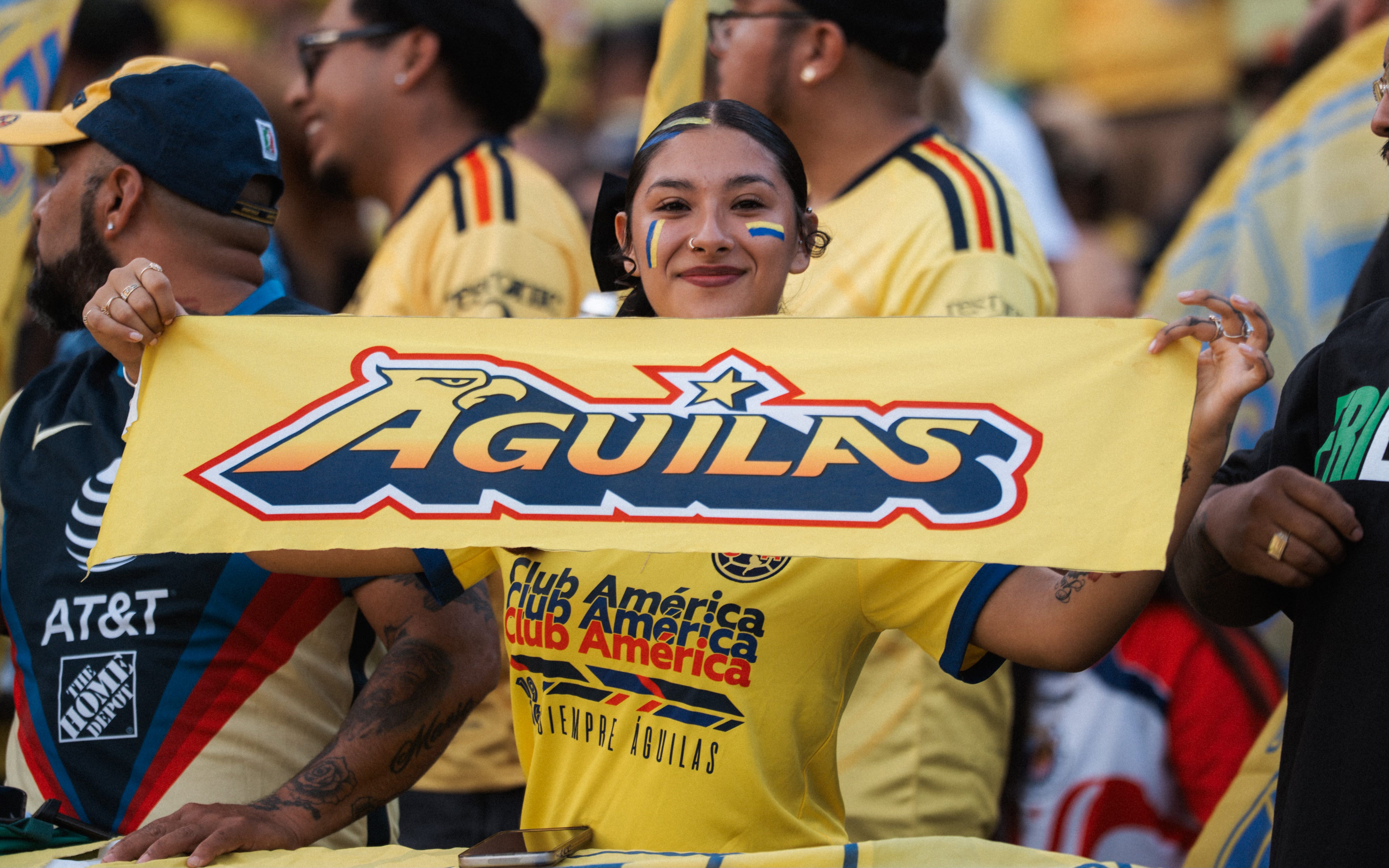
The Final Whistle
At the end of 90 minutes, the scoreboard told a clear story: Chivas de Guadalajara 2, Club América 0.
Ángel Sepúlveda’s first-half brace had settled the match, giving Guadalajara the victory and its supporters a result to celebrate. But the broader story of the day was larger than the two goals that separated the teams.
It was a sold-out Coliseum, a gathering of passionate supporters, and a reminder of the influence Mexican football continues to have across the Bay Area.
For some, the defining memory will be Sepúlveda’s penalty. For others, it will be the second goal, the atmosphere in the stands, or the experience of seeing two historic rivals share the field in Oakland.
Those moments form part of the same story: football as competition, entertainment, and a way for communities to come together.
As the crowd made its way out of the Coliseum, Chivas left with the victory, América with a result to put behind it, and Oakland with another major football event added to its sporting calendar.
The rivalry will continue, and supporters will have more opportunities to debate, celebrate, and look ahead to the next meeting.
But on October 4, the Bay Area had its turn to host El Clásico de México.
And for one afternoon and evening, Oakland belonged to the beautiful game.
Photography & Story: Anouar M. / The Production Nomad
Independent Sports & Visual Media
San Francisco, California